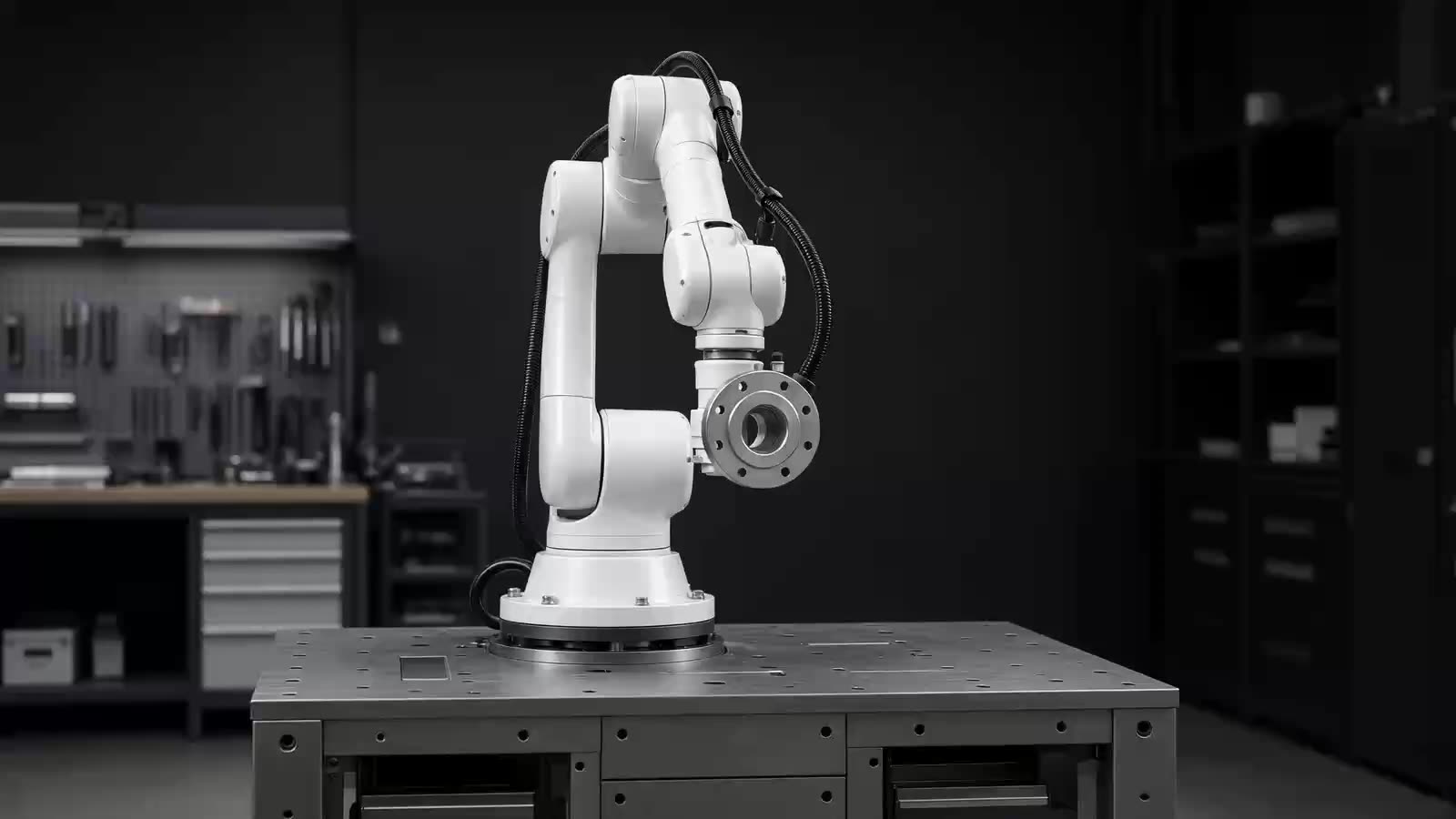
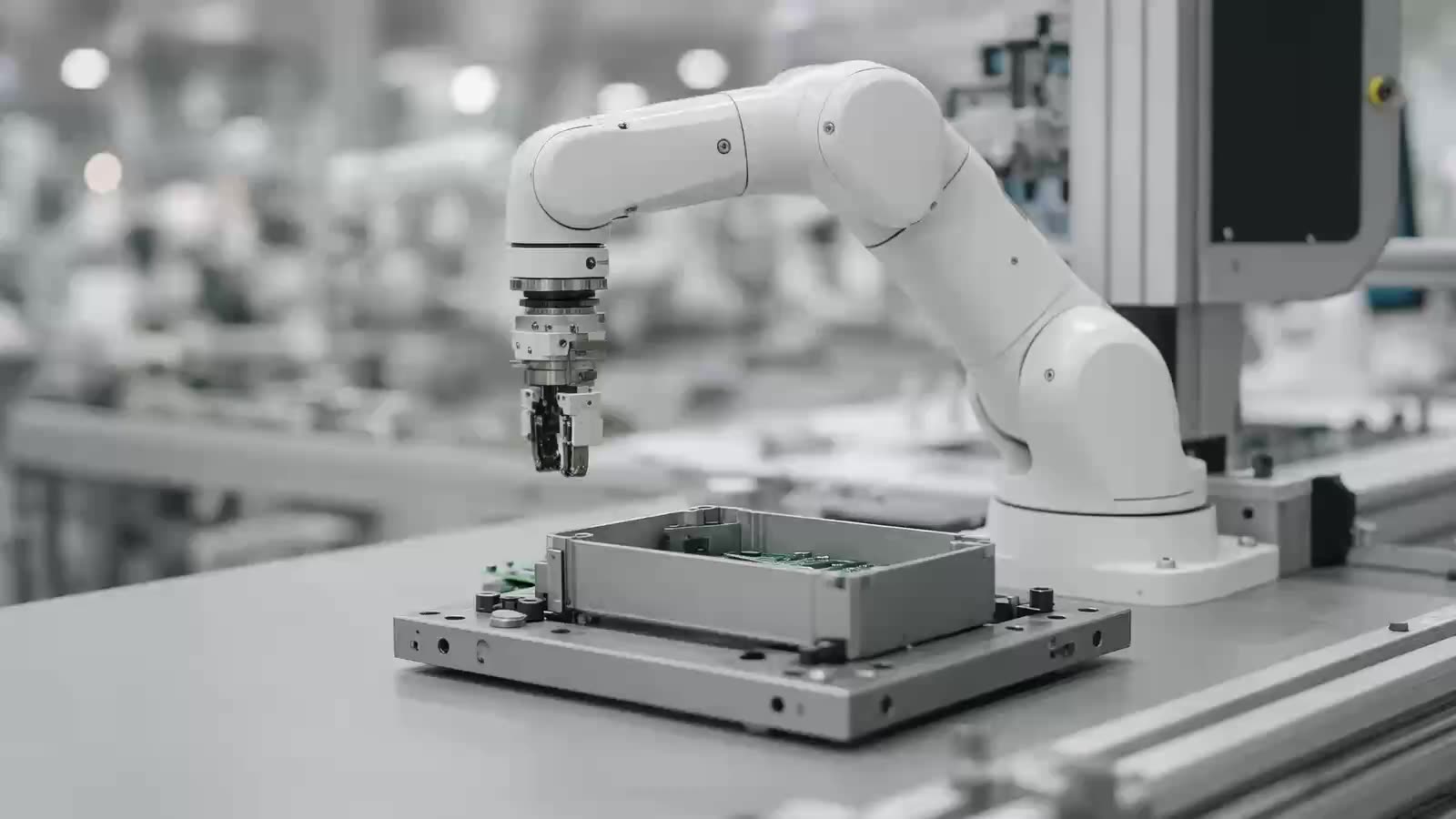
Aircraft fly without a pilot on board. Production lines run through the night. Robots move goods across warehouses the size of towns. Software agents answer, route and decide. Machine autonomy is not a forecast. It is under way, in every field at once.
The world does not hold still
A factory changes parts. A warehouse changes layout overnight. A route closes. A rule changes. Machines meet all of it in the middle of the job, with no engineer beside them. Whatever a machine knew on the day it shipped, the work it meets has already moved on.
Scripts do not scale
A machine that follows a script does exactly what it was told, in a world that has already moved. Every new part, route and rule becomes another change request. The script grows, the exceptions grow faster and the machine waits.
Training is not enough
Models changed the pace. Language models gave machines the ability to reason about a task, and what took a decade of hand-written rules now takes a model and a prompt. But a model gives a machine capability, and every model is frozen the day it ships. The new case arrives after training ends.
Capability comes from training. Judgment comes from experience, and experience only happens at runtime.
Autonomy is judgment on the job
An autonomous machine learns the new case when it meets it, decides when it is sure, asks when it is not, and remembers what worked. That happens at runtime, or it does not happen.
Autonomy without control cannot be deployed
No operator hands work to a machine that cannot be bounded, audited and corrected. Rules have to hold on every action. Every lesson has to be on record. Anything learned has to be removable. Judgment and control arrive together, or neither arrives at all.
What we build
Machine Autonomy builds the adaptive runtime that gives machines both: the ability to learn on the job and the controls that make it right to let them. MA Reflex for robots. MA Duplex for AI agents. The future of machines is autonomous, and it is built at runtime.